Sparkling Water at Home: Why a Soda Machine with a 1L BPA-Free Bottle Makes Daily Life Easier
Fresh sparkling water on demand can simplify daily hydration, reduce single-use bottles, and make it easier to customize fizz levels and flavors. A home soda machine paired with a reusable 1L BPA-free bottle is a practical setup for weeknights, home offices, and entertaining—especially when you want consistent bubbles without stocking cans or hauling cases.
Below is a clear guide to what these machines help with, the features that matter most, and simple habits that keep carbonation strong and flavors balanced.
What This Home Soda Machine Helps With
- Makes sparkling water in minutes without stocking cans or bottles
- Supports customizable carbonation so drinks can be lightly fizzy or extra sparkling
- BPA-free 1L bottle option for everyday use and refills
- Pairs well with flavor drops, citrus, herbs, and low-sugar mixers
- Can help cut packaging waste when used as a replacement for store-bought sparkling water
If reducing plastic exposure is part of your decision, it can help to review authoritative guidance such as the FDA overview on BPA in food contact applications and the CDC’s BPA factsheet.
Key Features to Prioritize in a Sparkling Water Maker
Not all soda machines feel the same day-to-day. The best choice is usually the one that’s easiest to use repeatedly—without leaks, guesswork, or lingering odors.
- Bottle safety: BPA-free, food-grade materials, and a secure sealing system
- Bottle capacity: 1L is convenient for families and meal-time servings; smaller bottles are easier for on-the-go
- Carbonation control: a clear way to adjust fizz (by presses/levels) for repeatable results
- Ease of cleaning: wide-mouth bottle design and simple parts reduce residue and odors
- Footprint and storage: compact machines fit on counters; consider vertical clearance for bottle insertion/removal
- Compatibility and refills: understand which CO₂ cylinders (or charging method) the system uses and how refills are handled
- Noise and stability: a sturdy base helps avoid wobble during carbonation
Quick Checklist for a Reliable At-Home Sparkling Water Setup
| What to check |
Why it matters |
Practical tip |
| BPA-free bottle |
Reduces exposure to BPA from the bottle material |
Replace bottles on schedule and avoid using damaged bottles |
| 1L capacity |
Fewer refills for daily use |
Chill water in the bottle before carbonating |
| Adjustable carbonation |
Consistent results across different drink styles |
Start low, then increase to avoid overflow |
| Simple cleaning |
Less odor buildup and better taste |
Rinse immediately after use; deep-clean weekly |
| CO₂ refill plan |
Avoid running out of carbonation unexpectedly |
Keep a spare cylinder (if supported) |
How to Use It for Better, Longer-Lasting Fizz
Most “flat” results come down to temperature, fill level, or the way carbonation is applied. A few small adjustments can make bubbles stronger and longer-lasting.
- Start with cold water: colder water holds CO₂ better, producing stronger carbonation and less foaming.
- Fill to the marked line: overfilling can cause overflow and inconsistent pressure.
- Carbonate water only: add syrups, juice, or powders after carbonation to reduce foaming and mess.
- Use short bursts for control: multiple shorter carbonation presses often create steadier results than one long press.
- Seal and chill: cap the bottle and refrigerate if not drinking immediately to retain carbonation longer.
- Pour gently: tilt the glass and pour down the side to preserve bubbles.
Taste Customization: Flavor Ideas That Stay Balanced
Once your fizz level is consistent, flavoring becomes the fun part. The goal is to add aroma and brightness without masking the crisp bite of carbonation.
- Citrus twist: lemon, lime, grapefruit peel (use a light touch to avoid bitterness).
- Herbal blends: mint, basil, rosemary; lightly muddle and steep briefly for aroma.
- Fruit-forward: berries or cucumber slices; strain if needed to keep the drink crisp.
- Low-sugar approach: a few drops of flavor concentrates or a splash of unsweetened juice.
- Mocktail-style: sparkling water + bitters + citrus for a more complex profile.
- Electrolyte tip: add electrolyte powders after carbonation and stir gently to reduce fizz loss.
Care, Cleaning, and Bottle Safety
Good taste and reliable carbonation depend on clean parts and a bottle that seals well. A simple routine keeps things fresh without turning maintenance into a chore.
Everyday Value: Convenience, Waste Reduction, and Cost Notes
For broader tips on cutting packaging waste at home, the EPA’s Reduce, Reuse, Recycle resources are a helpful starting point.
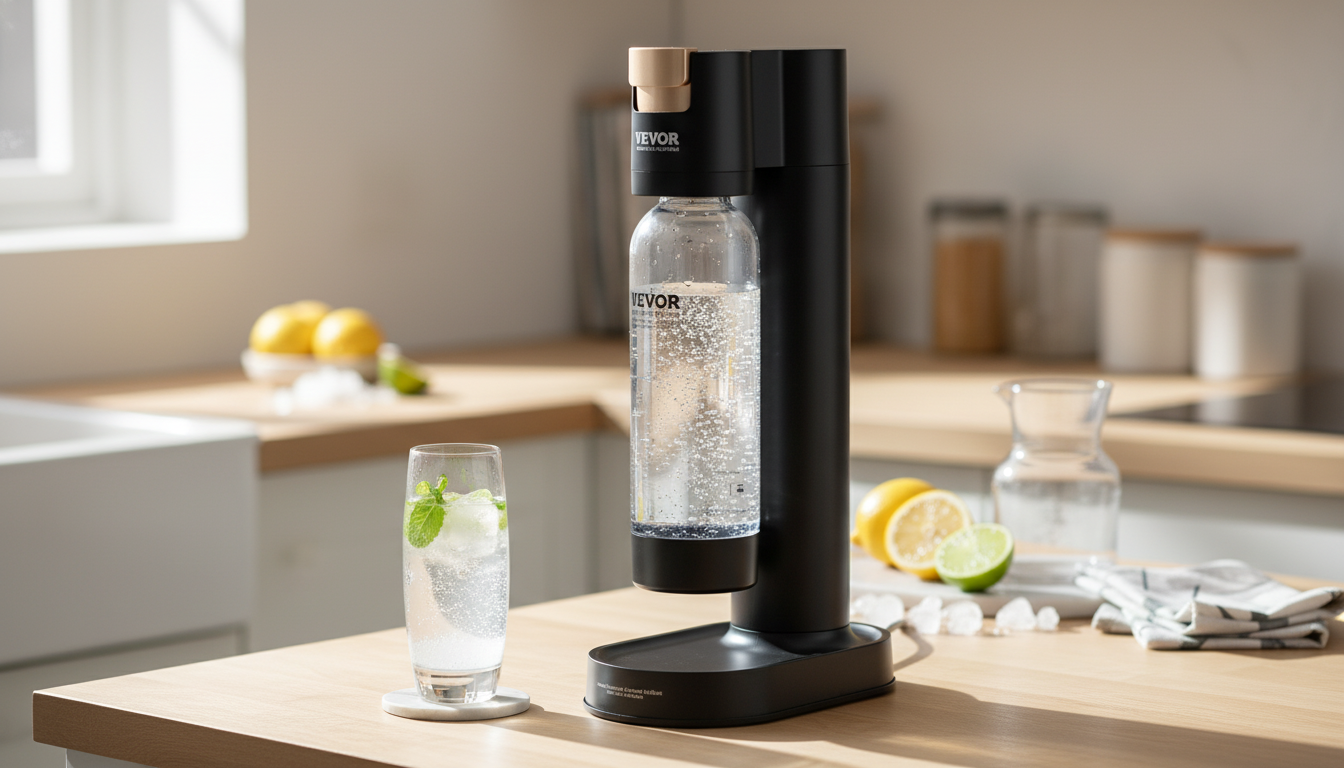
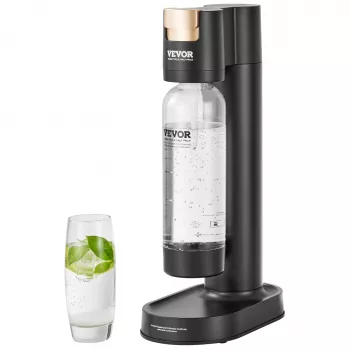
If you’re ready to set up a simple at-home sparkling routine, the Sparkling Water Maker Soda Machine for Home with 1L BPA-Free Bottle is designed for quick prep and everyday refills.
At-a-Glance Details
More In-Stock Picks for a Comfortable Home Setup
FAQ
Can syrup or juice be added before carbonating?
It’s best to carbonate plain, cold water first, then add syrup or juice afterward. This helps reduce foaming, prevents messy overflow, and can protect the machine’s internal components from sticky residue.
Why does carbonation seem weak or fade quickly?
Start with very cold water, fill only to the marked line, and make sure the bottle is sealing tightly. Use a few short carbonation presses for better control, then store the bottle capped in the fridge and pour gently to preserve bubbles.
How should a BPA-free bottle be cared for over time?
Rinse daily, wash regularly with mild dish soap, and avoid high heat unless the manufacturer states it’s safe. Inspect for clouding, cracks, or damage and replace the bottle if wear appears to keep sealing performance and safety consistent.
Recommended for you







Leave a comment