Stronger Hair Starts With Simple Habits: A Breakage Prevention Routine That Sticks
Hair breakage usually isn’t caused by one dramatic mistake—it’s the small, repeat stressors that add up: friction, dryness, rough detangling, heat, tight styling, and inconsistent care. A stronger-hair routine doesn’t need to be complicated. It needs to be repeatable, gentle, and realistic for your schedule. The habits below are especially helpful for natural hair textures that thrive when moisture and low manipulation work together.
What breakage looks like (and what it isn’t)
Breakage often shows up as short, uneven pieces, frayed ends, or “shed-looking” debris during detangling—plus hair that seems to grow but won’t retain length. Shedding, on the other hand, is normal and happens as part of the growth cycle: you’ll usually see full strands with a tiny white bulb at one end.
Quick self-checks: compare the strand lengths you see in the sink (are many pieces short?), inspect ends for splits or white dots, and notice whether damage clusters at the crown or hairline (often linked to friction and tension). If breakage is sudden, severe, or comes with scalp symptoms like itching, scaling, pain, or patchy loss, consider professional guidance. Helpful overviews include the Cleveland Clinic’s hair breakage guide and the American Academy of Dermatology’s information on hair loss causes.
Breakage vs. Shedding: fast clues
| Clue |
More likely breakage |
More likely shedding |
| Strand length |
Short, varied pieces |
Mostly long full-length strands |
| Root bulb |
Usually no bulb |
Often a small white bulb |
| Where it happens |
During styling/detangling, ends and fragile areas |
Throughout the day and wash day |
| Common triggers |
Dryness, friction, heat, tension, rough handling |
Seasonal changes, hormones, stress, postpartum |
The 5 simple habits that protect strands every day
1) Treat hair like delicate fabric
Slow down. Avoid constant redoing, repetitive brushing, or “just one more pass” with a tool. The less manipulation between wash days, the fewer chances hair has to snag and snap.
2) Reduce friction every night
Satin/silk protection is one of the highest-impact habits because it tackles tangles and abrasion while you sleep. Keep hair contained (loose bun, pineapple, or a few large twists) so it doesn’t rub and knot all night.
3) Choose moisture consistency over product overload
Dry-feeling hair doesn’t always need more oil—it often needs water-based moisture first, then a sealant where needed. Refresh only when hair feels brittle or rough; frequent re-wetting without protection can create repeated swelling and friction.
4) Detangle with rules, not vibes
Detangle on damp, conditioned hair. Work in sections, start at the ends, and move upward. Finger-detangle first when possible, then follow with a wide-tooth comb or a wet detangling brush. If you feel yourself rushing, pause—speed is a major breakage trigger.
5) Watch for “tension creep”
Edges and the nape often break when styles are “not that tight” but stay slightly stressed day after day. Rotate styles, loosen the hairline, skip tight elastics, and schedule breaks from sleek looks.
Wash-day routine that reduces snapping and knots
Wash day is where many breakage problems start—or get solved. The goal is to cleanse and detangle with minimal friction and maximum slip.
If timing is the reason steps get skipped, a simple timer can make wash day more consistent (especially for deep conditioning). A classic option is the Cluse Silver Leather Grey Dial Quartz Watch for Women, which helps keep your routine moving without rushing detangling.
Styling choices that help retain length
Moisture, protein, and buildup: finding the balance
A simple weekly rhythm (easy to follow, easy to repeat)
Routine snapshot
| Timeframe |
Habit |
Goal |
| Nightly |
Satin/silk protection and gentle containment |
Lower friction and tangles |
| Weekly |
Wash, condition, detangle in sections, set a style |
Consistent moisture and less manipulation |
| Every 2–4 weeks |
Clarify/chelate and reassess ends |
Remove buildup; prevent split progression |
| Ongoing |
Reduce tension and rotate styles |
Protect hairline and weak points |
Breakage hotspots: edges, crown, and ends
A guided plan to make the habits stick
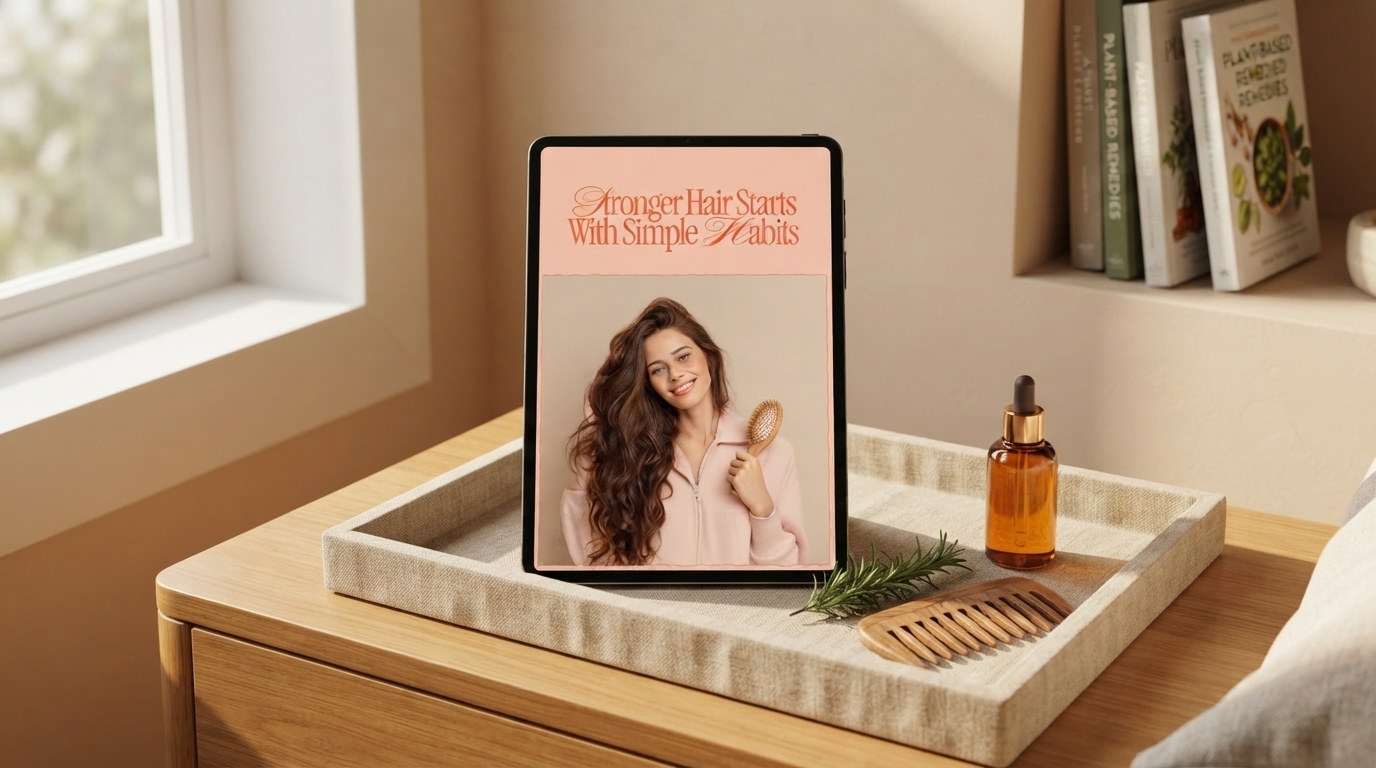
For a structured, save-and-repeat routine, Stronger Hair Starts With Simple Habits (digital download) lays out breakage-prevention steps you can follow at a steady pace, especially when you want less guessing and more consistency.
If stress and mental clutter are making it hard to stick with any routine (including hair care), simplifying your decision load can help. Making Sense of Your Overthinking – A Mind Clarity Guide supports building calmer, more repeatable habits—so your hair routine doesn’t feel like another overwhelming project.
FAQ
How often should natural hair be moisturized to prevent breakage?
Aim for consistent moisture without constant manipulation: many routines do best with a weekly wash/condition base and light refreshes only when hair feels dry or brittle. Prioritize water-based moisture, seal the ends as needed, and protect hair at night to reduce friction-related dryness.
Is protein necessary for stronger hair, or can it cause more breakage?
Protein can help when hair is weak or overly stretchy, but too much can make strands stiff and prone to snapping. Use strengthening treatments occasionally, watch how your hair responds, and balance protein with conditioning and moisture.
What’s the best way to detangle without snapping?
Detangle on damp, conditioned hair in sections, starting at the ends and moving upward. Finger-detangle first, then use a wide-tooth comb or a wet detangling brush, and keep completed sections separated so they don’t re-tangle.
Recommended for you











Leave a comment