Clean a Messy House Fast: A Printable Checklist Routine for Busy Days
A messy home can feel overwhelming, especially when time is limited. This quick-clean routine breaks the work into short, high-impact steps and pairs it with a printable checklist so progress is visible from the first 10 minutes through a full reset. The goal isn’t perfection—it’s getting your space back to “calm enough” so you can breathe, think, and move on with your day.
The fast-reset mindset: clean what changes the feel of the room
When you’re short on time, skip anything that won’t change the room’s overall look and function right now. The fastest wins come from the same few categories every time.
- Start with what creates the biggest visual difference: floors, surfaces, trash, and dishes.
- Use a timer (10–20 minutes per block): it keeps you from getting stuck “perfecting” one corner while the rest of the room stays chaotic.
- Aim for “good enough” first: tidy, sanitize key touchpoints, then detail later if time remains.
- Only go top-down after clutter is contained: dusting around piles wastes time and usually means re-cleaning.
5-minute setup: supplies + stations that prevent backtracking
Fast cleaning is less about speed and more about avoiding extra steps. A tight setup makes it easier to move in one direction without bouncing between rooms.
- Grab a laundry basket or bin for “belongs elsewhere” items (one trip per room later).
- Use a trash bag and recycling bag side-by-side to avoid sorting later.
- Carry a small caddy: all-purpose spray, microfiber cloths, disinfecting wipes, toilet cleaner, glass cleaner (optional), and a scrub sponge.
- Set up a “drop zone” near the entry (basket, hooks, tray) to stop new clutter immediately.
Quick-clean kit checklist
| Item |
Why it saves time |
| Laundry basket/bin |
Collects wandering items fast; return them in one loop |
| Trash + recycling bags |
One pass for disposal without stopping |
| All-purpose cleaner + cloths |
Covers most surfaces without swapping products |
| Disinfecting wipes |
Fast touchpoint cleanup (handles, switches, remotes) |
| Toilet cleaner + brush |
No waiting around; apply and move to sink/mirror |
| Vacuum or broom |
Instant visual impact on floors |
The 30-minute emergency clean (one-room focus)
This is the “someone’s coming over” reset. Pick one room (usually the living room or kitchen) and stay there the whole time.
- Minute 0–5: trash and recycling sweep (don’t sort drawers or cabinets).
- Minute 5–12: gather clutter into the bin; stack papers neatly; clear a single main surface.
- Minute 12–20: quick wipe-down of the cleared surface and obvious spills.
- Minute 20–27: floors—vacuum high-traffic paths or quick sweep + spot mop.
- Minute 27–30: reset the room’s “anchor” (couch pillows, coffee table, bedspread) so it looks finished.
If you have a few extra minutes, focus on touchpoints (doorknobs, remotes, light switches). For guidance on safe, effective disinfecting, refer to the CDC’s cleaning and disinfecting recommendations and the EPA’s disinfectant safety information.
The 60-minute whole-home sweep (high-impact route)
When the whole house feels messy, a route prevents decision fatigue. Think of it as a quick “reset lap,” not a deep clean.
- Do a fast loop: living room → kitchen → bathroom → bedroom(s) → entry.
- Only handle each item once: trash, dishes, laundry, and “belongs elsewhere” go straight to their category.
- Kitchen priorities: dishes into dishwasher/sink, counters cleared, quick wipe, sink rinse; leave deep cleaning for later.
- Bathroom priorities: toilet, sink, mirror, quick wipe of touchpoints; swap towels if needed.
- Bedroom priorities: make beds first (instant improvement), then collect laundry and clear nightstands.
Room-by-room mini checklists (done is better than perfect)
If you tend to stall because you can’t finish everything, use mini checklists. Completing a short list builds momentum and makes the home feel livable again.
Kitchen
- Clear counters
- Dishes contained (dishwasher/sink)
- Trash out
- Quick wipe of sink and stovetop
- Floor spot clean
Living room
- Toys/mail corralled
- Surfaces cleared
- Remote/chargers in one spot
- Vacuum traffic lanes
Bathroom
- Toilet bowl + seat
- Sink + faucet
- Mirror
- Swap hand towel
- Empty small trash
Bedrooms
- Beds made
- Laundry gathered
- Clear one surface (dresser/nightstand)
- Floor pickup
Printable checklist routine: keep momentum with simple boxes to tick
A checklist works best when it removes decisions. Use it the same way each time so your brain can go on autopilot.
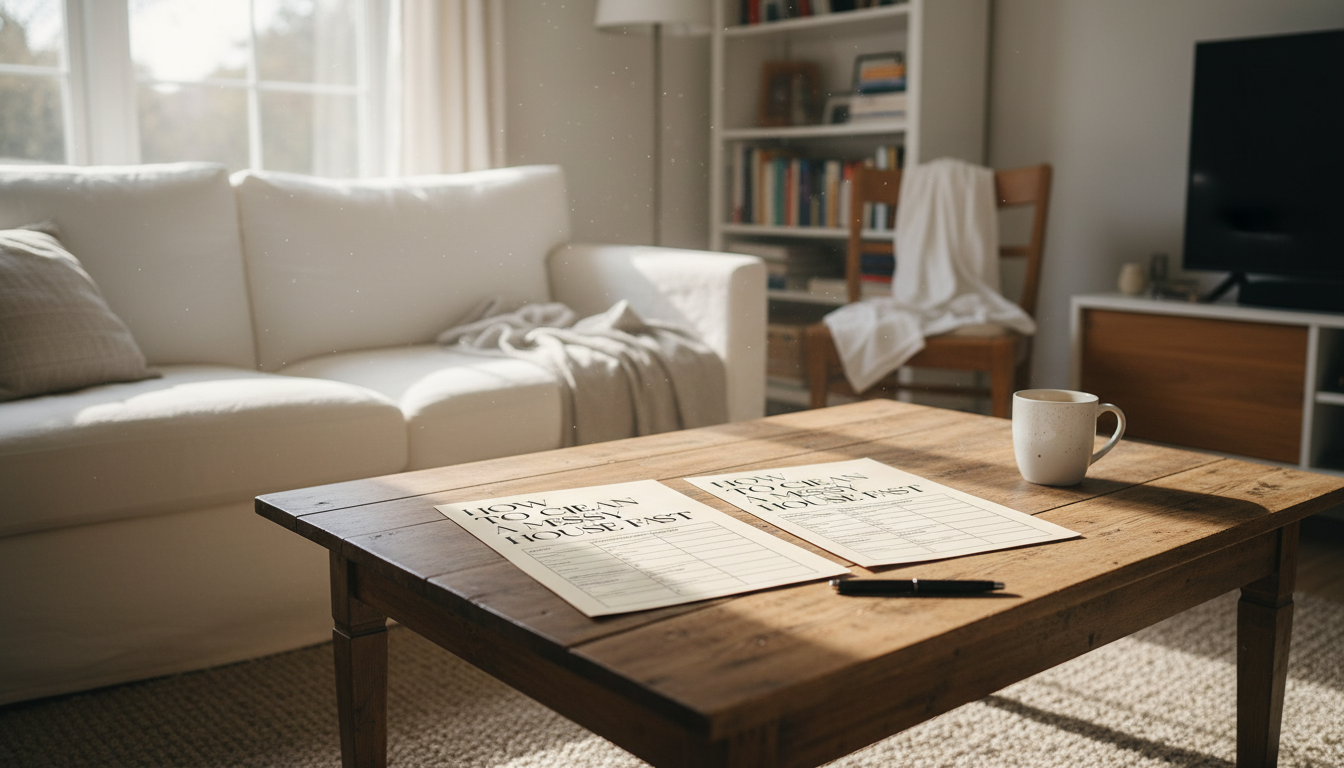
If you want a ready-made tool you can print and reuse, the Printable messy-house fast cleaning checklist (instant download) is designed for quick wins with a clear route and room mini checklists.
Common time-wasters to avoid when the house is messy
Instant download checklist: a ready-to-print home reset tool
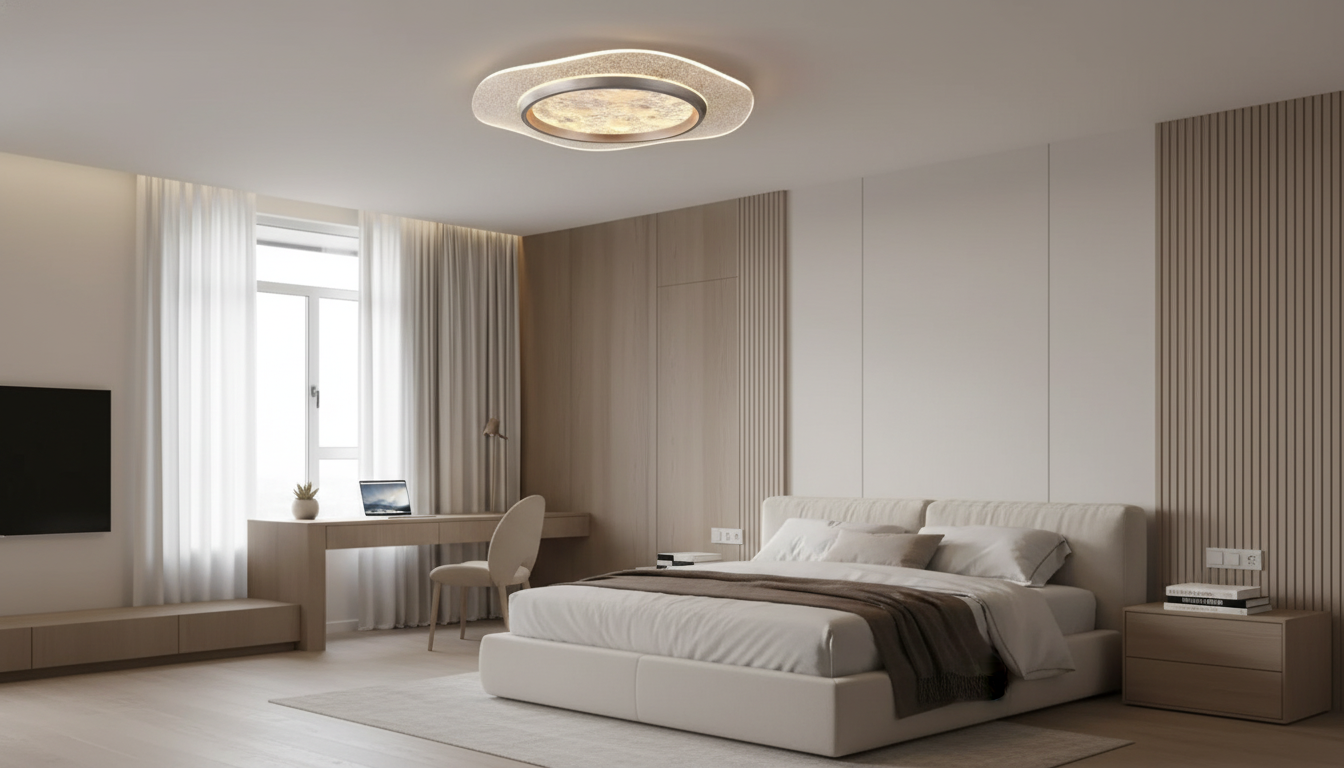
To make the “finished” feeling last longer, a quick visual upgrade helps once the clutter is contained—like adding warm lighting in a reset living room or bedroom. If you’re updating a space after your clean sweep, the Nordic Feather Floor Lamp can make the room feel calmer and more intentional with minimal effort.
FAQ
What should be cleaned first when the house is a disaster?
Start with trash, dishes, and floors in high-traffic areas, then clear one main surface per room. Those steps create the biggest visible change fast and make everything else easier.
How do you clean fast when you feel overwhelmed?
Set a timer and work in short sprints using categories: trash, dishes, laundry, and “belongs elsewhere.” Focus on a reset, not perfection, and stop when the timer ends.
How often should a quick-reset checklist be used?
A 5–10 minute daily reset prevents pileups, especially in the kitchen and entry. Use the 30–60 minute checklist weekly or anytime the home starts to feel out of control.
Recommended for you












Leave a comment