Stainless Steel Heat Resistant Food Tongs (7 Inch) for BBQ and Everyday Cooking
A reliable pair of kitchen tongs makes cooking safer, faster, and cleaner—especially around high heat. This 7-inch stainless steel tong design focuses on heat resistance, a secure non-slip grip, and precise control for grilling, sautéing, serving, and turning foods without tearing or slipping. The shorter length is built for finesse: it helps you grab small ingredients confidently, maneuver in tight pans, and plate food neatly without feeling clumsy or overextended.
What These 7-Inch Tongs Are Good For
Compact tongs tend to become a go-to tool because they’re quick to pick up and easy to control. A 7-inch size shines in everyday kitchen moments where precision beats reach.
- Quick turning and lifting for smaller portions: vegetables, shrimp, bacon, wings, dumplings, and toast
- Controlled handling at the stove: flipping in pans and moving hot items without switching tools
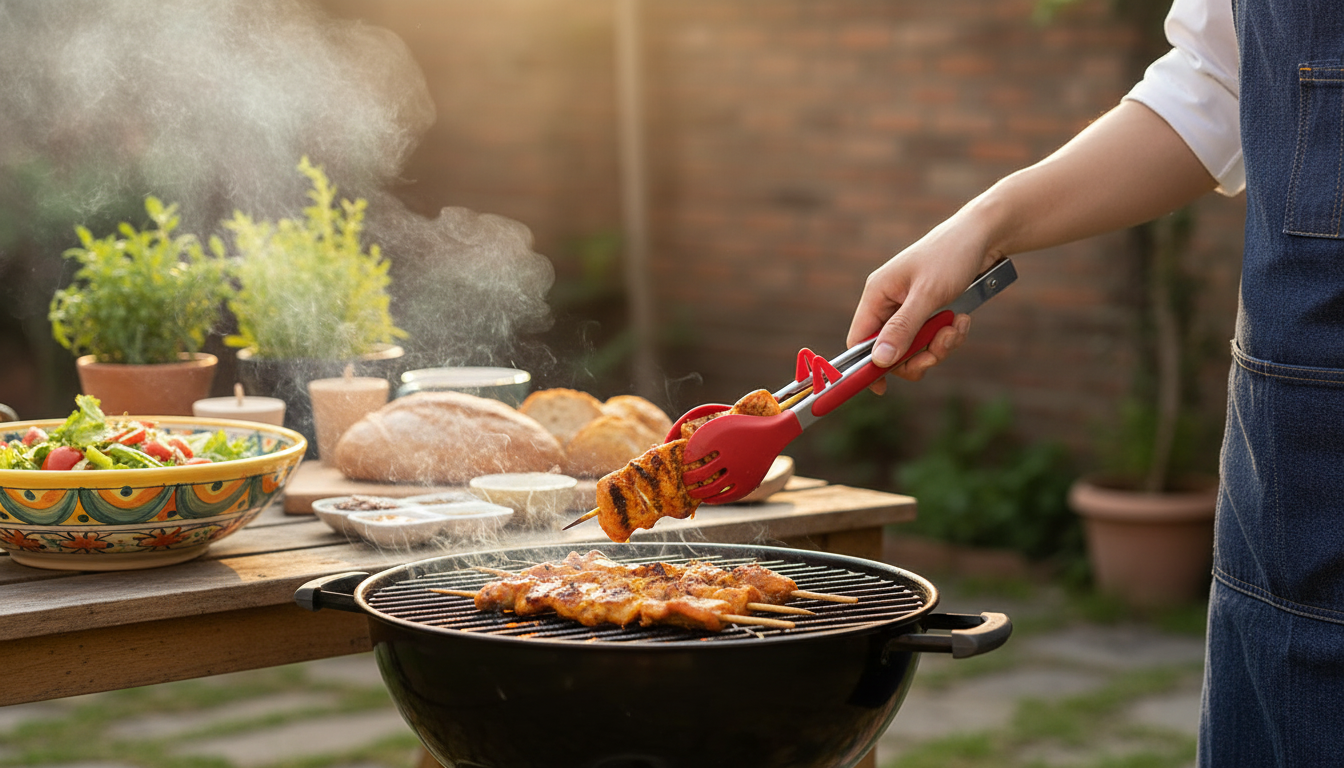
- BBQ support for detail work: repositioning food on the grate, handling foil packets, moving cooked pieces to a tray
- Serving tasks: salads, pasta, pastries, and appetizers with a clean, pinch-style grip
- Compact size that stores easily in drawers or utensil crock holders
For weeknight cooking, this size is especially handy when you need to turn multiple small items quickly—like sautéed mushrooms, seared scallops, or roasted asparagus—without chasing pieces around the pan.
Key Design Features to Look For
Not all stainless steel tongs feel the same in the hand. Small design choices affect comfort, grip security, and how well the tips handle slippery or delicate foods.
- Stainless steel construction for durability and resistance to rust when properly dried after washing
- Heat-resistant handling area to reduce discomfort during high-heat cooking sessions
- Non-slip grip surfaces that stay secure even with light moisture or oil on hands
- Aligned tips that meet evenly, improving grip on thin or slippery foods (asparagus, noodles, sliced onions)
- Spring tension that opens smoothly without hand fatigue; firm enough to grip, not so stiff it strains fingers
- A hanging loop or end shape that makes storage easier and helps keep the tool within reach
Two quick checks help confirm good control: the tips should touch evenly along the gripping edge (not just at one corner), and the tong arms should feel stable without wobbling at the hinge. Those details are what prevent “pinch-and-slip” moments when you’re turning food over a hot pan.
7-Inch vs 9–12 Inch Tongs: Which Length Fits the Task?
Length changes the experience more than most people expect. Short tongs behave like an extension of your fingers, while longer tongs behave more like a tool for distance management—especially around flames and splatter.
- 7-inch tongs prioritize precision and control for stovetop and serving tasks
- Longer tongs (9–12 inch) provide more distance from flames and are often preferred for large grills and deep fry work
- A compact tong can still be useful at the grill for quick adjustments, but longer tools reduce heat exposure when cooking over open flame
- Many kitchens benefit from owning two lengths: a shorter pair for finesse and a longer pair for high-heat grilling
Tong Length Guide
| Length |
Best For |
Why It Helps |
Trade-Offs |
| 7 inch |
Stovetop cooking, serving, small grill tasks |
More control and better precision in tight pans or trays |
Less reach from high flames |
| 9 inch |
General-purpose cooking and grilling |
Balanced reach and control |
Slightly less precise than shorter tongs |
| 12 inch |
Grilling over open flame, deep pots, broiling |
Max distance from heat and splatter |
Can feel bulky for serving and small pans |
How to Use Tongs Safely Around High Heat
Tongs reduce direct contact with hot surfaces, but the safest results come from smart habits—especially during grilling and fast stovetop work.
- Keep hands back from flare-ups by working from the side of the grill when possible
- Avoid leaving tongs resting on hot grates or inside pans where the handle can overheat
- Use a clean plate for cooked food and a separate plate for raw food to reduce cross-contamination
- Do not use metal tongs on delicate nonstick coatings if the tips can scratch; choose silicone-tipped tools for those pans
- For oily foods, wipe the grip area if it becomes slippery to maintain a secure hold
Cross-contamination is one of the easiest risks to overlook when moving between raw and cooked foods. If you’re handling raw chicken or burgers, swap tools—or wash the tongs—before touching finished food. Guidance from the USDA Food Safety and Inspection Service and the CDC food safety basics reinforces the value of clean plates, clean tools, and clear separation between raw and ready-to-eat items.
Care and Cleaning for Long Service Life
Stainless steel tongs are built for routine use, but the hinge area is where performance is won or lost. Keeping that pivot clean prevents stiffness and preserves smooth spring action.
How to Choose the Right Kitchen Tongs
FAQ
Are 7-inch tongs long enough for grilling?
7-inch tongs can handle small grill adjustments and quick transfers to a tray, especially when working over lower heat. For extended cooking over open flame, longer tongs are safer because they keep hands farther from heat and flare-ups.
Can stainless steel tongs be used on nonstick cookware?
Bare metal tips can scratch some nonstick coatings, so silicone-tipped tongs are a better match for nonstick pans. Stainless tips are ideal for grills, sheet pans, and stainless cookware where scratching isn’t a concern.
How should tongs be cleaned after BBQ sauce or sticky marinades?
Wash them soon after use with warm soapy water, paying extra attention to the hinge area with a soft brush. Rinse thoroughly and dry completely so residue doesn’t build up and the pivot stays smooth.
Recommended for you












Leave a comment