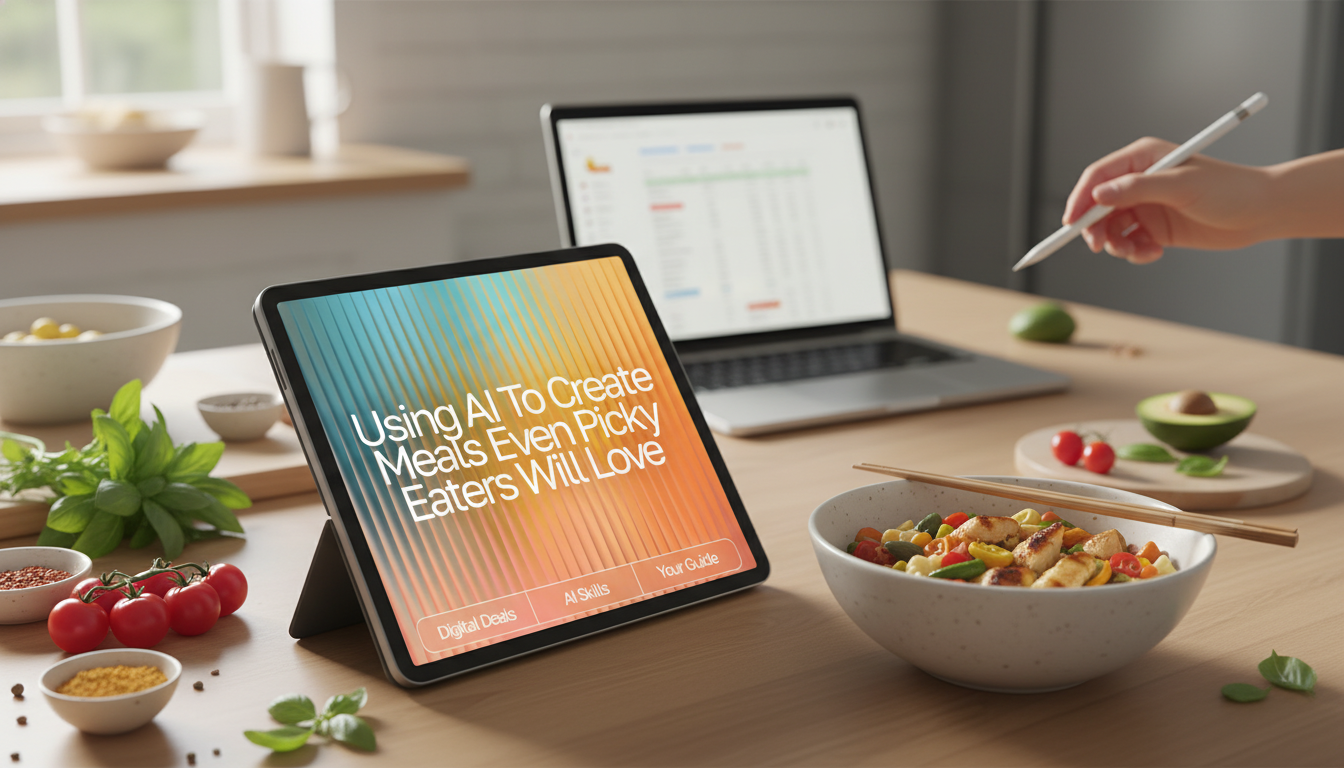
Using AI to Create Meals Even Picky Eaters Will Love
Picky eating can turn every meal into a negotiation—especially when textures, colors, and “mixed foods” trigger instant rejection. AI-assisted meal planning can reduce the daily guesswork by generating tailored ideas that respect preferences while still improving nutrition. Below is a practical, family-friendly system for using AI to plan meals picky eaters accept, with realistic steps, swap options, and a repeatable workflow.
Why picky eating happens (and what actually helps)
Picky eating is often less about “attitude” and more about comfort and predictability. Common drivers include sensory sensitivities (texture, smell), fear of the unfamiliar, and a strong preference for routines. In many families, the most effective progress comes from small, repeatable wins rather than big leaps to brand-new recipes.
Low-pressure exposure tends to work better than bargaining or forcing. Serving a “learning bite” next to a safe food, without commentary, helps normalize new items over time. Consistent meal structure also reduces anxiety: when kids know what’s coming (and know there will always be something safe), they’re more willing to engage.
For evidence-based feeding tips and realistic expectations, the American Academy of Pediatrics offers a helpful overview here: American Academy of Pediatrics: Tips for Feeding Picky Eaters.
A simple AI workflow that fits real life
The goal isn’t perfect variety overnight. The goal is a repeatable weekly flow that reduces stress while gently expanding options.
Step 1: Build your “safe foods” and “hard no” lists
Write 10–20 safe foods (specific brands and formats count) and a short “hard no” list that includes textures (mushy, chunky, mixed), ingredients, and sauce styles. Add allergy info and any choking-risk restrictions for younger kids.
Step 2: Pick one weekly goal
Choose one: fewer arguments, more vegetables, higher protein, quicker dinners, tighter budget, or allergy-friendly meals. One goal keeps AI suggestions focused and keeps expectations realistic.
Step 3: Ask for meals built from safe foods plus one gentle upgrade
Examples of “gentle upgrades”: adding finely chopped vegetables into a familiar sauce, swapping to a higher-protein version of a favorite food, or serving a new dip on the side rather than mixing it in.
Step 4: Generate a shopping list and a prep plan
Step 5: Save the winners as a rotating menu
Weekly AI meal planning checklist for picky eaters
| Task |
What to provide |
Output to save |
| Define boundaries |
Safe foods, hard no’s, allergies, time limits |
Rules list (copy/paste for next week) |
| Pick the “one change” |
One nutrition goal (protein/veg/whole grains) |
Approved upgrade ideas |
| Generate meals |
Meal count, servings, equipment (air fryer/slow cooker) |
7–14 meal options with swaps |
| Build the cart |
Preferred stores, budget, pantry items on hand |
Shopping list with quantities |
| Prep plan |
Available prep time (15–60 min) |
Batch steps + leftovers plan |
Smart meal ideas AI can adapt for picky eaters
Make AI suggestions work: swaps, sensory tweaks, and plating
For age-appropriate texture guidance and safety considerations, the CDC’s feeding resource is a solid reference: CDC: Foods and Drinks for 6 to 24 Month Olds.
A repeatable 7-day plan format (with leftovers that won’t trigger resistance)
When picky eating may need extra support
Food safety matters, too—match foods to developmental readiness and prepare them appropriately. If food restriction is severe or worsening, consult a pediatrician or a registered dietitian. The Academy of Nutrition and Dietetics has an overview of picky eating considerations here: Academy of Nutrition and Dietetics: Children and Picky Eating.
A practical resource for faster planning
If decision fatigue is the real issue, reducing the number of daily choices can be as valuable as changing the menu. A quick mental reset can make it easier to stick with a calm, consistent approach at the table. Making Sense of Your Overthinking – A Mind Clarity Guide for Anyone Searching How to Understand Why I Overthink Everything | Digital Download is a simple, supportive resource for stepping out of spiraling thoughts and returning to practical next steps.
For busy households, it also helps to streamline routines outside the kitchen—timers, reminders, and predictable cues reduce friction. A reliable everyday accessory like the Cluse Silver Leather Grey Dial Quartz Watch for Women can be a small but useful way to stay on schedule for prep windows, school nights, or consistent mealtimes.
If meal planning is shared among caregivers, a clear development plan for delegating tasks (shopping, prep, cleanup, rotating menus) can keep the system sustainable. Rising Leaders: A Practical Guide to Developing Leadership Skills in Others | Leadership Development Plan | How to Develop Leadership Skills in Others eBook can support families or teams who want to build consistent routines without one person carrying the full mental load.
FAQ
How do you use AI to plan meals for a picky eater without making separate dinners?
Use a “same base, different toppings” structure: one core meal (rice, tortillas, pasta, potatoes) with mix-ins served separately so each person builds their own plate. Keep one dependable safe side at every meal, and save a rotating list of “no-drama” wins so you can repeat success quickly.
What should be included in an AI meal request for picky eaters?
Include safe foods, hard no’s (especially textures), allergies, time and budget limits, preferred cooking methods, and one weekly nutrition goal. Ask for swaps, deconstructed plating options, and sauces served on the side so you can adapt meals without starting over.
Is it okay to hide vegetables in meals for picky eaters?
It can help in small amounts when it reduces pressure and supports nutrition, but it works best paired with low-pressure, visible exposure to vegetables on the plate over time. Keeping the approach calm and avoiding power struggles helps maintain trust and makes long-term progress more likely.
Recommended for you













Leave a comment