A compact turbine-style fan can do more than move air. With a high-speed brushless motor, focused airflow becomes useful for quick cleanups, fast drying, personal cooling, and outdoor tasks where a lightweight, portable tool makes the difference. This guide covers practical uses, what to look for, safe operation, and simple maintenance for long-term performance.
What Makes a Brushless Turbine Fan Different
Not all portable fans are built the same. A mini turbine fan is designed to push air in a more concentrated stream, which changes how effective it feels for cleaning and spot cooling.
- Brushless motor efficiency: Brushless designs are known for steady performance and better efficiency than many brushed motors, helping the fan keep consistent speed even when airflow resistance increases.
- Turbine-style airflow: Instead of dispersing air widely like a desk fan, the airflow is channeled into a tighter stream—handy when you’re aiming into vents, seams, and narrow gaps.
- Grab-and-go size: Compact dimensions make it easy to store in a glove box, gear bag, toolbox, or desk drawer for quick access.
- Multi-scenario utility: One tool can support dusting, drying, cooling, and outdoor comfort without packing multiple gadgets.
Everyday Uses: Cleaning, Drying, and Cooling
A focused, high-speed fan works best when you treat it like a precision tool: use angles, short bursts, and a sensible distance rather than blasting everything head-on.
Cleaning
- Blow debris out of tight gaps like keyboards, air vents, tool cases, window tracks, and outdoor equipment seams.
- Pair it with a soft brush to loosen particles first, then use airflow to move dust out and away.
Drying
- Speed up drying on shoes, camping gear, rain jackets, bike components, and small washed parts.
- For best results, reposition items to avoid moisture hiding in folds, seams, and pockets.
Cooling
- Direct airflow for personal comfort during commutes, warm workspaces, or outdoor events.
- Short, controlled passes can feel cooler than continuous blasting—especially when you’re already warm.
Outdoor tasks
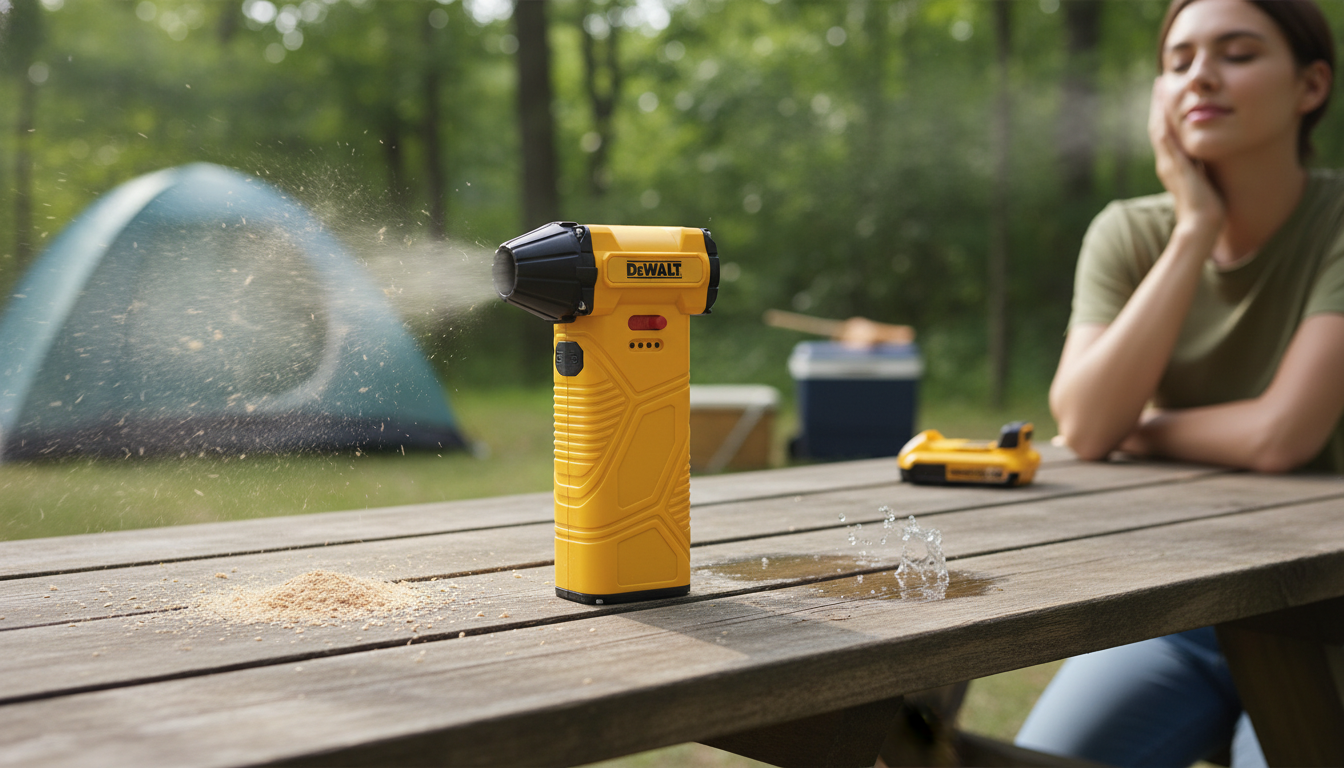
- Clear sand from gear, shake off leaves from small areas, and improve comfort at the campsite.
- Some people use a controlled airflow stream to help start a campfire—use caution, keep a safe distance, and avoid embers blowing toward people or gear.
Use cases and tips for best results
| Task |
Recommended approach |
Helpful tip |
| Keyboard/desk dusting |
Short bursts aimed at an angle |
Hold a debris-catch cloth nearby to reduce re-settling |
| Car interior vents |
Direct airflow into vent slats |
Follow with a soft brush for loosened particles |
| Wet gear drying |
Steady airflow from a safe distance |
Rotate items to avoid trapping moisture in folds |
| Personal cooling outdoors |
Aim toward face/neck in brief intervals |
Use shade and hydration; airflow supports comfort but doesn’t replace heat safety |
Key Features to Evaluate Before Buying
Choosing a mini high-speed turbine fan comes down to how you’ll actually use it—quick car cleanups, daily commuting, camping, or workshop tasks.
Safety and Best Practices
For heat-related outdoor safety, consult guidance from NIOSH Heat Stress and OSHA Heat – Hazard Recognition.
Care, Storage, and Performance Maintenance
- Check intake and vents: Lint and dust buildup can restrict airflow. Inspect periodically, especially after outdoor use.
- Clean the exterior carefully: Wipe with a dry or lightly damp cloth. Avoid pushing debris into openings.
- Charging habits: Use the recommended charger and avoid storing the battery fully depleted for long periods. For general lithium-ion safety practices, see UL Solutions – Lithium-ion Battery Safety.
- Store with intention: A small pouch or dust-controlled drawer helps protect it when used for workshop or outdoor work.
- If airflow drops: Inspect for blocked intake, clogged grills, or debris lodged near vents before assuming the motor is the issue.
Mini High-Speed Brushless Turbine Fan: Quick Overview
Recommended Picks (In Stock)
FAQ
Can a high-speed turbine fan replace compressed air for cleaning?
It can handle many everyday dusting jobs without disposable cans, especially for keyboards, vents, and surface debris. It may not match the pinpoint pressure of compressed air for deeply packed material, so use short bursts and angled airflow to avoid pushing dust farther into devices.
Is it safe to use a high-speed fan to dry electronics or connectors?
Power down and unplug first, then use gentle settings from a safe distance to encourage evaporation. Airflow can help, but it doesn’t guarantee safety if liquid has entered the device—when in doubt, allow extended drying time and follow manufacturer guidance.
What’s the best way to use it for outdoor cooling?
Use it intermittently and aim at pulse points like the neck for brief passes rather than continuous close-range blasting. Pair airflow with shade, breaks, and hydration, since a fan improves comfort but doesn’t prevent heat illness.
Recommended for you












Leave a comment