Pack Smart, Drive Happy: The Ultimate Road Trip Car Packing Checklist
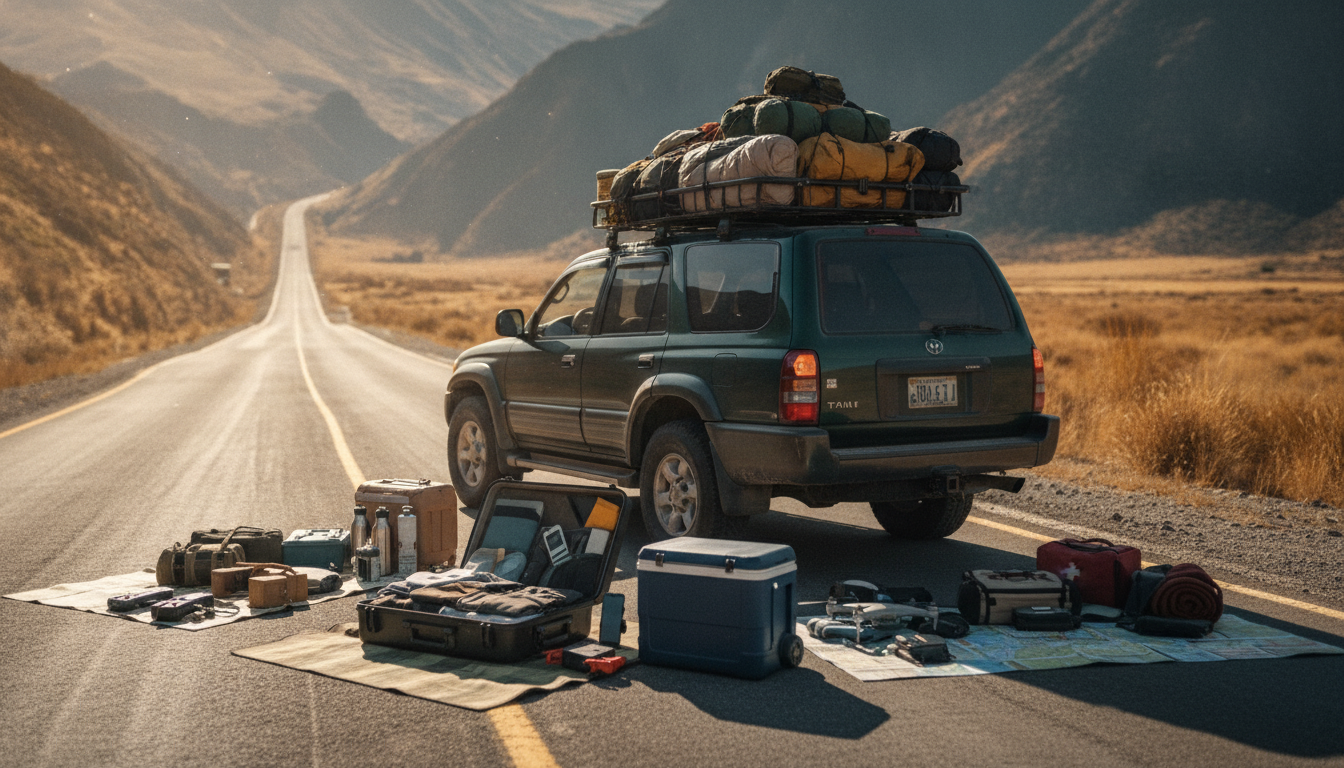
A great road trip starts before the engine turns over. Packing the right mix of car essentials, safety gear, comfort items, and smart digital tools helps prevent delays, reduces stress, and keeps everyone comfortable from the first mile to the last. Use the checklist below to build a kit that fits trip length, season, and who’s riding along—then add a few AI-powered planning touches to make the drive smoother.
Start With a 5-Minute Pre-Trip Setup
- Confirm vehicle basics: fuel level, tire pressure (including the spare), wiper fluid, and headlights/taillights. For tire safety reminders, see NHTSA tire guidance.
- Create a “reach box” for the front seat: wipes, tissues, charging cables, sunglasses, and snacks so stops aren’t required for small needs.
- Set up offline access: download maps for low-signal areas and save hotel/booking confirmations to the phone.
- Group packing by use-case (safety, comfort, food, tech) rather than by person to avoid duplicates and missed essentials.
- Set a packing cutoff time the day before departure so you’re not stuffing items in the dark while everyone waits.
Car Essentials That Prevent Annoying Interruptions
- Documents: driver’s license, registration, insurance card, roadside assistance info, and a printed emergency contact list.
- Power and charging: car charger (USB-C/USB-A), spare cables, portable power bank, and a multi-port adapter for families.
- Visibility and weather basics: sunglasses, microfiber cloth, ice scraper (cold seasons), and a compact umbrella.
- Clean-up kit: hand sanitizer, wet wipes, paper towels, small trash bags, and a stain remover pen for quick saves.
- Convenience add-ons: reusable water bottles, a small tote for quick stops, and a pen/notebook for notes and mileage.
Quick-Grab Essentials by Where They Belong
| Keep Within Reach |
Store in Trunk |
Use at Stops |
| Phone + charger cable, sunglasses, tissues/wipes |
Extra fluids, spare cables, paper towels |
Trash bags, refillable water bottles, small tote |
| Insurance/registration, emergency contacts |
Jump starter or cables, tire kit |
Snacks cooler, blanket, toiletries bag |
| Hand sanitizer, lip balm |
First-aid kit, reflective triangles |
Stretch band, pain relief items (as appropriate) |
Safety Gear to Carry Every Time
- First-aid kit: bandages, antiseptic, gauze, blister care, tweezers, and any necessary personal medical items.
- Roadside essentials: jumper cables or a jump starter, tire pressure gauge, tire sealant, compact air compressor, and a basic tool kit.
- Visibility and signaling: reflective triangles/flares, high-visibility vest, and a strong flashlight/headlamp with extra batteries.
- Weather readiness: blanket or emergency bivvy, gloves, and a compact poncho; add warm layers for mountain routes even in summer.
- Safety habit: keep heavy items low and secure so they don’t shift during sudden braking.
For a practical baseline of what to keep in a vehicle emergency kit, cross-check your list with Ready.gov’s car emergency kit recommendations.
Comfort and Health for Longer Drives
- Seating comfort: small lumbar pillow, neck pillow, and a light blanket for temperature swings between day and night driving.
- Hydration + snacks: a cooler bag with water, electrolyte packets, and snacks that won’t melt or crumble easily.
- Motion and fatigue management: ginger chews (if helpful), sunglasses, and a plan for breaks every 2 hours or 100 miles.
- Hygiene: travel tissues, deodorant, dry shampoo, and a compact toiletry pouch for quick refreshes.
- For kids: a dedicated activity bag (books, coloring, headphones), plus an easy-change outfit and a spill-proof cup.
Time awareness matters on long drives. If you like keeping break times consistent without constantly checking a phone, a simple wristwatch can help—see Cluse Silver Leather Grey Dial Quartz Watch for Women.
Food, Drinks, and Mess Control
Tech, Navigation, and AI Travel Tips That Actually Help
If trip prep tends to spiral into second-guessing (Did you pack the meds? The extra cable? The tire gauge?), a simple clarity framework can help you decide faster and move on—Making Sense of Your Overthinking – A Mind Clarity Guide (Digital Download).
Pack by Scenario: Day Trip vs. Weekend vs. Cross-Country
For general road safety guidance before you log serious miles, review CDC road safety information and match your habits (breaks, seat belts, focus) to the day’s conditions.
If you want a ready-to-use, organized layout, grab the Ultimate road trip packing checklist (digital download) and tailor it to your route, season, and passengers.
FAQ
What should always stay in the car for emergencies on a road trip?
Keep a first-aid kit, jumper cables or a jump starter, a flashlight, reflective triangles, basic tools, water, a blanket, and key documents (insurance/registration and emergency contacts). Check and refresh the kit seasonally so batteries, meds, and weather-specific items are still usable.
How do you pack a car efficiently for a long road trip?
Use “zones”: a reach box up front for items you’ll need while driving, and a trunk area for bulk supplies. Group by use-case (safety, food, comfort, tech), secure heavy items low, keep roadside gear accessible, and use soft bags or packing cubes to fill gaps without blocking the spare tire compartment.
What are the most useful AI travel tips for road trips?
Download offline maps, plan rest stops at consistent intervals, and use weather-aware reroutes when conditions change. You can also generate a personalized packing list based on climate and passengers, then keep a shared note for addresses, confirmations, and a check-off checklist everyone can see.
Recommended for you













Leave a comment