What should you inspect on your vehicle before going on a trip?
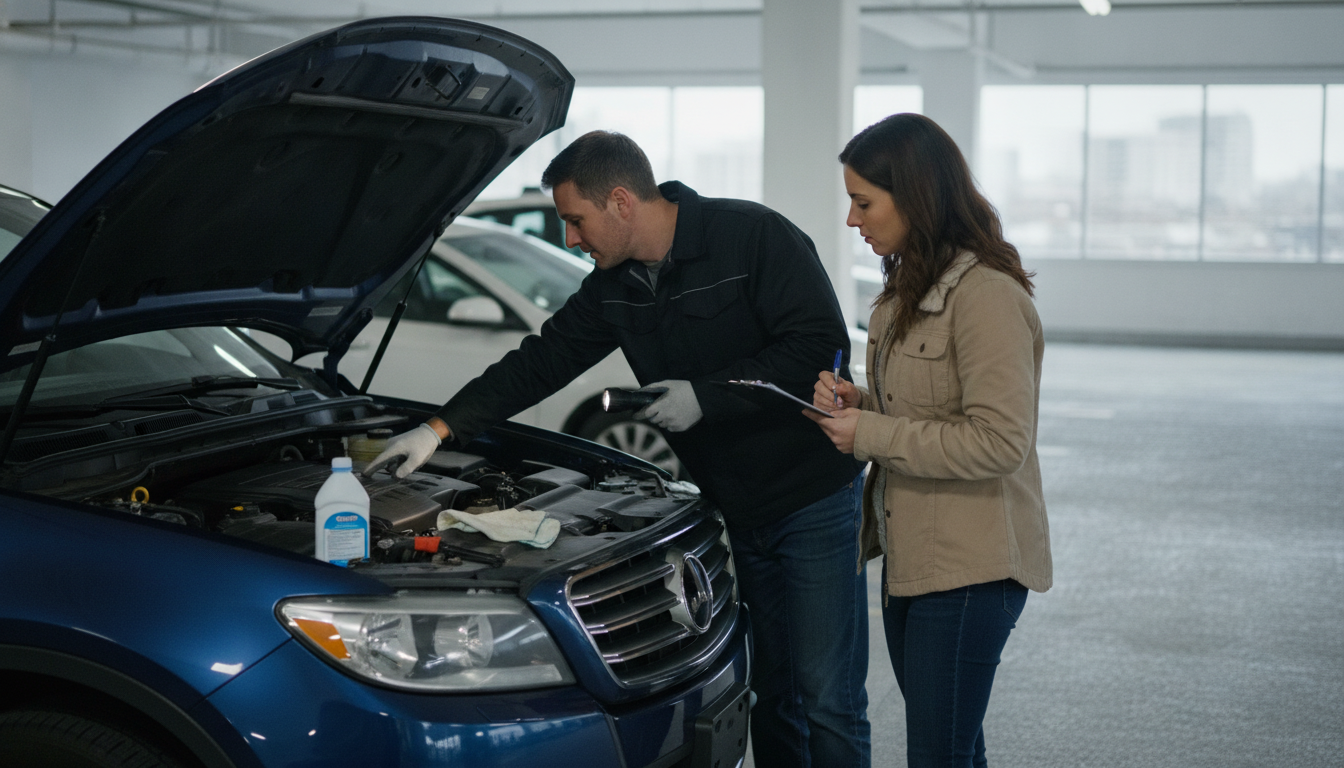
A quick pre-trip inspection can prevent roadside surprises and help your vehicle handle long highway miles, heat, hills, and stop-and-go traffic. Focus on the items that affect safety first (tires, brakes, lights), then reliability (fluids, battery), and finally comfort (wipers, HVAC).
Tires and spare
Check tire pressure when the tires are cold and inflate to the vehicle’s recommended PSI (found on the driver’s door jamb). Look for uneven wear, cracks, bulges, or embedded objects. Confirm tread depth is adequate for wet roads. Don’t forget the spare: verify it’s inflated and that the jack, lug wrench, and locking wheel key (if applicable) are in the vehicle.
Fluids and leaks
Inspect engine oil level and condition, then top off if needed. Check coolant level (only when the engine is cool), brake fluid, power steering fluid (if your vehicle has it), windshield washer fluid, and transmission fluid if it’s serviceable on your model. Look under the car for fresh drips or wet spots that could signal a leak worth addressing before departure.
Brakes, steering, and suspension
Pay attention to warning signs during a short test drive: squealing/grinding, vibration while braking, pulling to one side, or a soft brake pedal. Also note clunks over bumps or a wandering steering feel. If anything feels off, schedule service before the trip—brake and handling issues tend to worsen under heavy loads and long descents.
Lights, battery, and visibility
Verify headlights (low/high), brake lights, turn signals, hazard lights, and reverse lights. Check the battery for corrosion on terminals and make sure cables are tight. Replace worn wiper blades and confirm the windshield is clean inside and out for glare reduction.
Emergency gear and final checks
Confirm you have a tire pressure gauge, flashlight, basic tools, jumper cables, and water. Before leaving, set mirrors, check that your registration/insurance are handy, and make sure any cargo is secured so it can’t shift during sudden braking.
For a more detailed, step-by-step checklist, visit this pre-road trip car inspection guide.
FAQ
How do you know if your tires are safe for highway driving?
They should hold the correct cold pressure, have sufficient tread depth for wet traction, and show no sidewall cracks, bulges, or cords. Uneven wear or persistent low pressure can indicate an alignment issue or a slow leak that should be fixed before you hit the road.
Recommended for you













Leave a comment