Smart Cooking on a Shoestring: Meal Planning That Cuts Costs Without Cutting Flavor
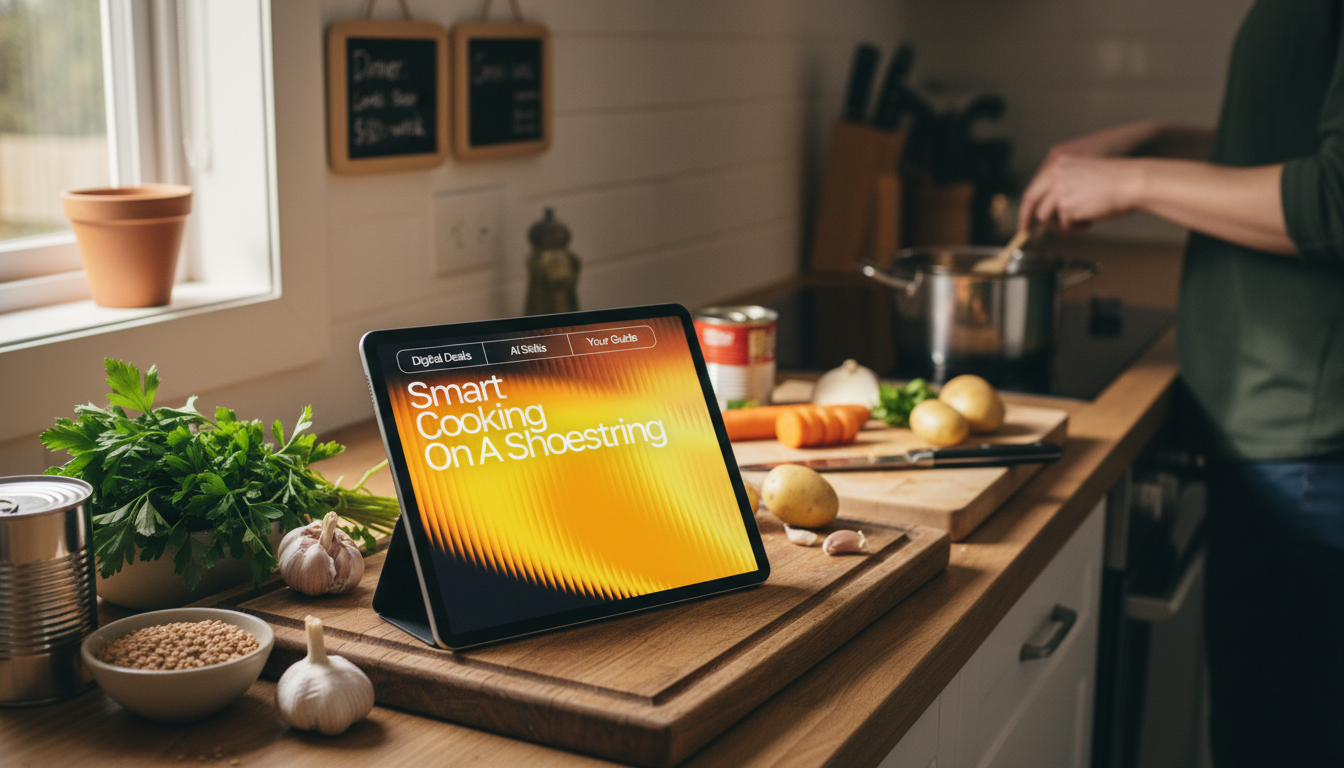
Stretching groceries further gets easier with a simple system: plan around what’s already on hand, buy versatile staples, and reuse ingredients across multiple meals. Smart cooking isn’t about bland “struggle meals”—it’s about building repeatable routines that keep dinner flavorful, flexible, and low-waste. If you like the idea of a digital, checkable workflow, Smart Cooking on a Shoestring (digital download) is built around ingredient overlap and budget-friendly recipe ideas you can reuse week after week.
What “smart cooking” looks like on a tight budget
On a limited grocery budget, the goal is to make a smaller cart do more work. That usually means cooking from a short list of flexible building blocks rather than buying one-off ingredients for a single recipe.
- Build meals from a small set of flexible ingredients. Eggs, oats, rice, beans, frozen vegetables, and canned tomatoes can become breakfasts, lunches, and dinners with minimal extra spending.
- Prioritize low-waste cooking. Pick recipes that share ingredients so half an onion, leftover spinach, or an open jar of salsa has a “next job” in the plan.
- Use a “cook once, eat twice” rhythm. Batch-cook a component (rice, roasted vegetables, lentils, shredded chicken) and remix it into multiple meals instead of starting from zero every night.
- Keep flavor affordable with a basic seasoning toolkit. Garlic, onion, chili flakes, cumin, soy sauce, and vinegar or lemon can take the same base ingredients in totally different directions.
- Aim for realistic, not perfect. Planning 3–5 dinners plus repeatable breakfasts/lunches tends to cover a week smoothly without overcommitting.
A weekly meal-planning workflow that takes 30 minutes
This quick workflow focuses on decisions that prevent waste and reduce last-minute grocery runs—two of the biggest budget leaks.
- Step 1: Pantry and fridge scan. List what must be used first (greens, milk, cooked rice, canned goods) and build the plan around those items.
- Step 2: Pick two “anchors.” Choose one big pot meal (chili, lentil soup, curry) and one sheet-pan meal (roasted veggies + protein) to guarantee easy dinners.
- Step 3: Add 2–3 fast meals. Plan a few 15–25 minute options for busy nights: stir-fry, quesadillas, pasta, omelets, or “breakfast for dinner.”
- Step 4: Plan leftovers on purpose. Decide where tomorrow’s lunch comes from before you cook tonight—chili becomes chili nachos; roast chicken becomes fried rice.
- Step 5: Make a short shopping list. Buy only the gaps. Add one small budget treat if it helps prevent takeout (a good cheese, a favorite fruit, or a dessert you’ll actually eat).
30-Minute Weekly Plan: Inputs → Outputs
| Planning input |
What to decide |
Budget-friendly result |
| What you already have |
2–3 items to use first |
Less waste, fewer “extra” purchases |
| Meals to repeat |
1 breakfast + 1 lunch you can eat 3–4 times |
Lower grocery bill and less prep time |
| One batch cook |
Soup/stew, beans/lentils, or roasted tray |
Multiple dinners from one effort |
| Two quick meals |
15–25 minute options |
Reduced takeout temptation |
| A short list |
Only missing essentials |
More predictable checkout total |
Using AI suggestions to keep meals cheap and flexible
Recipe ideas are everywhere, but the challenge is turning ideas into a plan that fits real constraints: what’s on sale, what’s already open, and how much time you have on Tuesday night.
- Start with constraints, not cravings. Set a budget per serving, a time limit, and a list of ingredients that must be used (like half a bag of frozen broccoli or a can of beans).
- Ask for ingredient overlap. Request a week of meals that share core items (tortillas + beans + salsa; rice + frozen veggies + eggs) so your cart stays short.
- Request substitutions for sales and pantry swaps. Canned tuna can replace chicken; lentils can replace ground meat; carrots and cabbage can replace more expensive produce.
- Generate a “base recipe + variations” set. Use one template (fried rice, pasta bake, bean chili) and rotate flavors: Southwest, Mediterranean, or Asian-inspired.
- Keep outputs practical. Favor recipes with 8–12 common ingredients and minimal specialty items, so you aren’t stuck buying a $9 sauce you’ll use once.
Budget-friendly recipe building blocks (mix-and-match)
For more budget-friendly meal patterns and reusable ideas, Smart Cooking on a Shoestring (digital download) organizes these building blocks into a repeatable weekly system.
Shopping rules that protect the budget
For additional budget-friendly meal planning resources, see USDA MyPlate Kitchen and USDA SNAP-Ed.
Digital kitchen guide: what this eBook helps streamline
If planning feels harder than cooking, a structured guide can remove the guesswork. Smart Cooking on a Shoestring (digital download) is designed to make smart cooking repeatable, not random.
If you also like quick, no-fluff digital guides for other big decisions, Hybrid vs Electric Made Simple is another in-stock download designed to simplify comparisons and reduce overwhelm.
FAQ
How can meal planning reduce grocery costs without feeling restrictive?
Focus on ingredient overlap and planned leftovers so what you buy gets used in multiple meals. Keep breakfasts and lunches repeatable, limit specialty items, and swap proteins or vegetables based on weekly sales without changing the overall plan.
What should be included in a budget-friendly pantry to make weekly planning easier?
Stock versatile staples like rice, pasta, oats, beans/lentils, canned tomatoes, tuna, frozen vegetables, onions, and long-lasting produce like carrots or cabbage. Add a small core of seasonings and acids (soy sauce, vinegar, chili flakes, cumin) to keep flavors varied without extra spending.
How do AI recipe suggestions help when ingredients and budget change week to week?
They work best when you provide constraints like cost per serving, time available, and ingredients you need to use first. You can also request substitutions and “base recipe + variations” ideas so you stay flexible without buying expensive, single-use items.
Recommended for you












Leave a comment