What is the best color for a minimalist bedroom?
The best color for a minimalist bedroom is a soft, warm white. It keeps the room bright and open, supports a calm mood, and works with nearly any streamlined furniture, textile, or lighting choice. Unlike stark “pure” white, warmer whites add comfort without adding visual clutter—an ideal match for minimalist spaces.
Answer
A warm white is the most reliable minimalist bedroom color because it creates a clean backdrop while still feeling inviting. Look for shades often described as “ivory,” “cream,” “linen,” or “soft white.” They reflect light well, making small bedrooms feel larger and helping a few intentional decor pieces stand out.
Best minimalist color options (and when to use them)
Warm white: The default choice for most minimalist bedrooms. It pairs well with light wood, black accents, brushed metal finishes, and natural fabrics like cotton and linen.
Greige (gray-beige): Great if an all-white room feels too sharp. Greige adds depth while staying neutral and understated.
Soft light gray: Ideal for a cooler, modern look. Use it if the room gets ample natural light so it doesn’t feel flat.
Muted earth tones (sand, clay, taupe): Works well for a warmer, organic minimalist vibe—especially with woven textures and simple silhouettes.
How to keep the color minimalist (not boring)
Stick to one main wall color and repeat it across large surfaces for a seamless look. Then add contrast through texture and a limited accent palette: matte black hardware, a single wood tone, and one fabric family (like linen). Lighting also changes how neutral paint reads; a warm white can look creamy at night and crisp in daylight.
Lighting matters more than most people expect
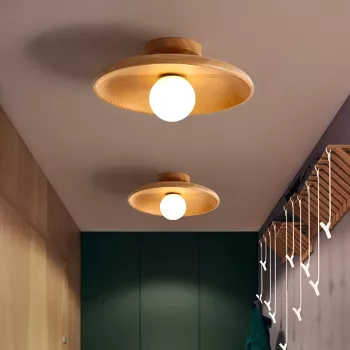
Minimalist bedrooms rely on light to define mood. If you’re choosing ceiling lighting that complements a calm, pared-back palette, see the guide here: Italian minimalist ceiling light bedroom study guide.
FAQ
How do I add contrast in a minimalist bedroom without using bright colors?
Use contrast through finishes and texture: matte black accents, natural wood, layered neutrals, and tactile fabrics like linen or wool. Keep it cohesive by limiting yourself to two to three materials repeated around the room.
Recommended for you












Leave a comment