What is modern Italian interior design?
Modern Italian interior design is a contemporary approach to decorating that blends clean architectural lines with a distinctly Italian sense of refinement. It prioritizes simplicity without feeling cold, using thoughtful proportions, high-quality materials, and a calm, curated look. The result is a space that feels effortlessly elegant: minimal, but never bare.
Core traits of modern Italian style
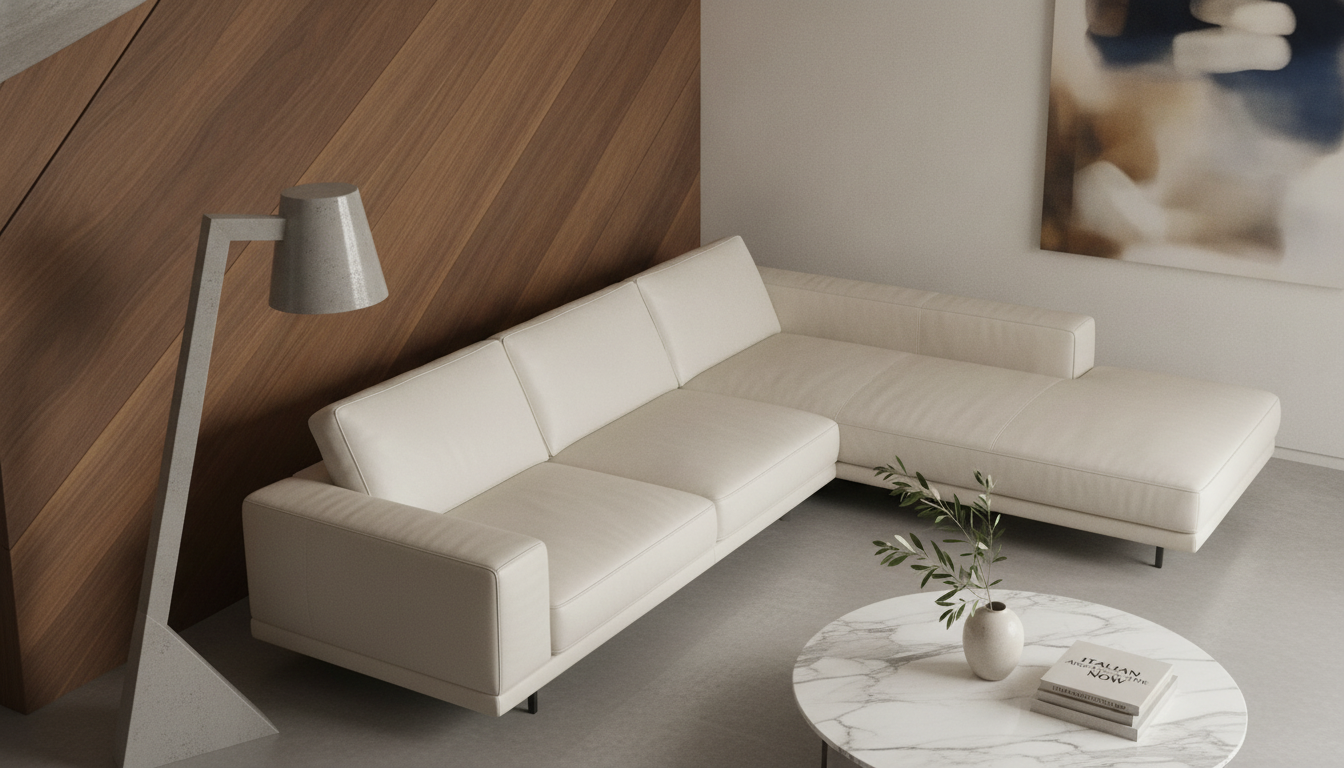
Minimalism with warmth is at the heart of the look. Furniture silhouettes tend to be streamlined, with visual clutter kept to a minimum, yet comfort is still a priority. Instead of relying on lots of décor, the style leans on texture and craftsmanship—think smooth wood, leather, stone, and glass used in balanced combinations.
Material-led design is another hallmark. Modern Italian spaces often showcase natural or premium finishes (marble, travertine, walnut, brushed metals) in a way that feels intentional rather than showy. These surfaces add depth even when the color palette stays neutral.
Form and function working together is essential. Storage is typically integrated and discreet. Pieces are chosen for both performance and visual harmony—every item earns its place.
Color palette and atmosphere
Modern Italian interiors commonly use soft neutrals—warm whites, taupe, sand, charcoal—then add contrast with black accents or metallic details. Pops of color appear sparingly, often through art, a single upholstered chair, or a textured rug. Lighting is used to shape mood: layered illumination (ambient, task, accent) makes the room feel composed and livable from day to night.
Why lighting matters so much
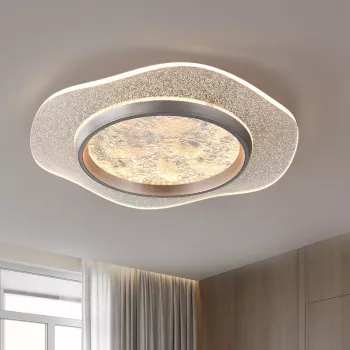
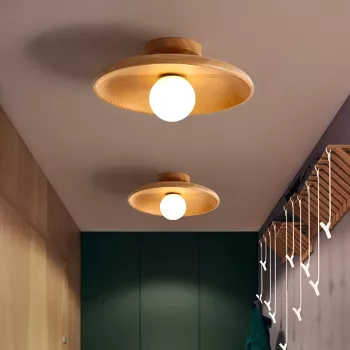
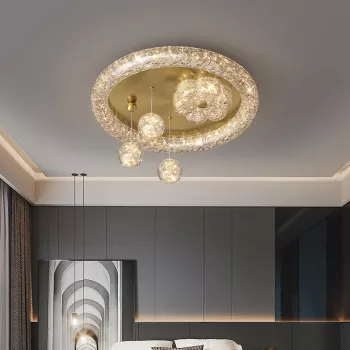
Lighting is often treated like functional sculpture in modern Italian design. A well-chosen ceiling fixture can define the room’s character while keeping the overall space uncluttered. For a deeper dive into how Italian minimalist lighting supports this aesthetic—especially for bedrooms and studies—see this guide to Italian minimalist ceiling lights.
FAQ
What colors are common in modern Italian interiors?
Warm neutrals like creamy white, beige, and taupe are most common, often paired with charcoal or black accents. Color usually appears in controlled touches through art, textiles, or a single statement piece.
Recommended for you









Leave a comment